Rutendo Secondary School Expands Infrastructure Despite Mounting Rural Challenges
By Nelson Geje
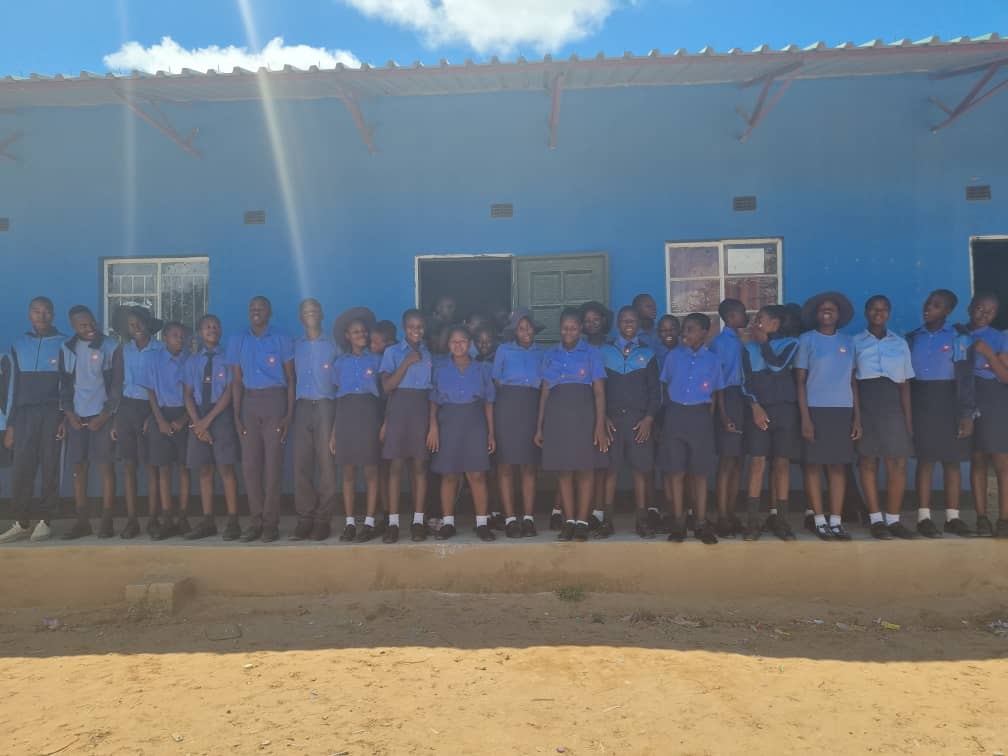
Rutendo Secondary School, established in 2015 and currently enrolling 163 learners, has recorded significant infrastructural and technological progress, even as it grapples with acute resource shortages, environmental threats, and financial constraints.
The school, led by Headmaster Amon Robson, recently completed a two-classroom block, constructed a caretaker’s house, and installed both Starlink internet connectivity and a 3KV solar system—developments that have improved learning conditions and introduced digital access to the rural institution.
Despite these gains, the school faces pressing challenges. A shortage of staff accommodation continues to affect teacher retention, while limited access to heritage-based curriculum textbooks undermines effective teaching. Additionally, school infrastructure has been repeatedly damaged by wild animals, particularly baboons and elephants, creating an unusual but persistent burden on maintenance. The situation is further compounded by the nonpayment of school fees by some parents, constraining operational and development budgets.
Rutendo Secondary School was established to expand access to education in the area and has since grown steadily, now serving over 160 learners. Its adoption of solar energy and satellite internet reflects a strategic effort to bridge the rural-urban digital divide and improve educational delivery.
Looking ahead, the school has outlined several development priorities, including the construction of a teacher’s house, completion of an ablution block, building of an administration block, addition of more classroom facilities, and the establishment of sporting fields to support co-curricular activities.
School authorities say these plans are critical to sustaining growth and improving the overall learning environment, as the institution continues to position itself as a key educational centre in the community.


0 Comments
Leave a Comment